
In today’s crowded digital landscape, consumers are no longer impressed by one-size-fits-all marketing. They expect brands to understand their needs, preferences, and behaviors—and to communicate accordingly. This is where personalization in digital marketing becomes a powerful competitive advantage. When done right, personalization doesn’t just improve metrics; it builds trust, loyalty, and long-term customer relationships.
What Is Personalization in Digital Marketing?
Personalization is the practice of tailoring marketing messages, content, and experiences to individual users based on data such as demographics, behavior, interests, and past interactions. Instead of delivering the same message to everyone, personalization allows businesses to speak directly to each customer in a way that feels relevant and timely.
Examples include:
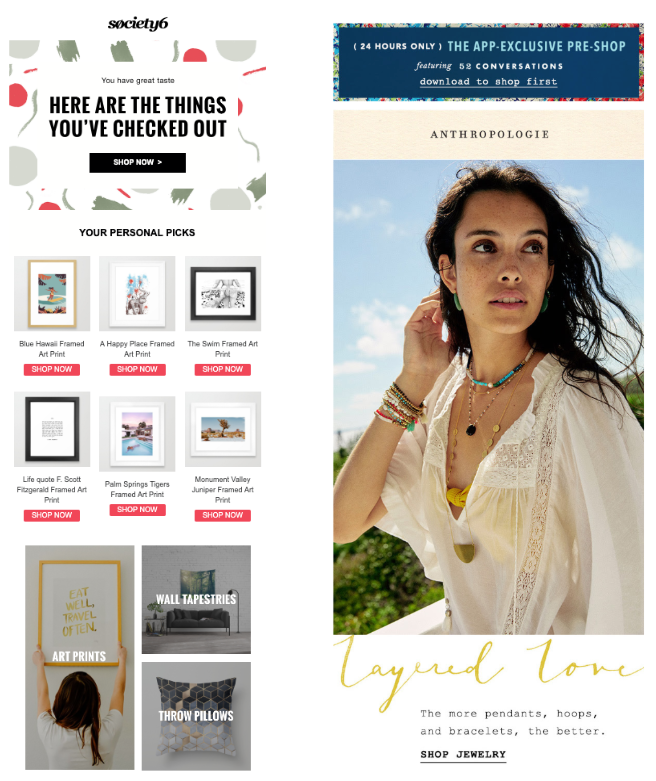
Using a customer’s name and preferences in email campaigns
Showing product recommendations based on browsing or purchase history
Serving location-specific offers or content
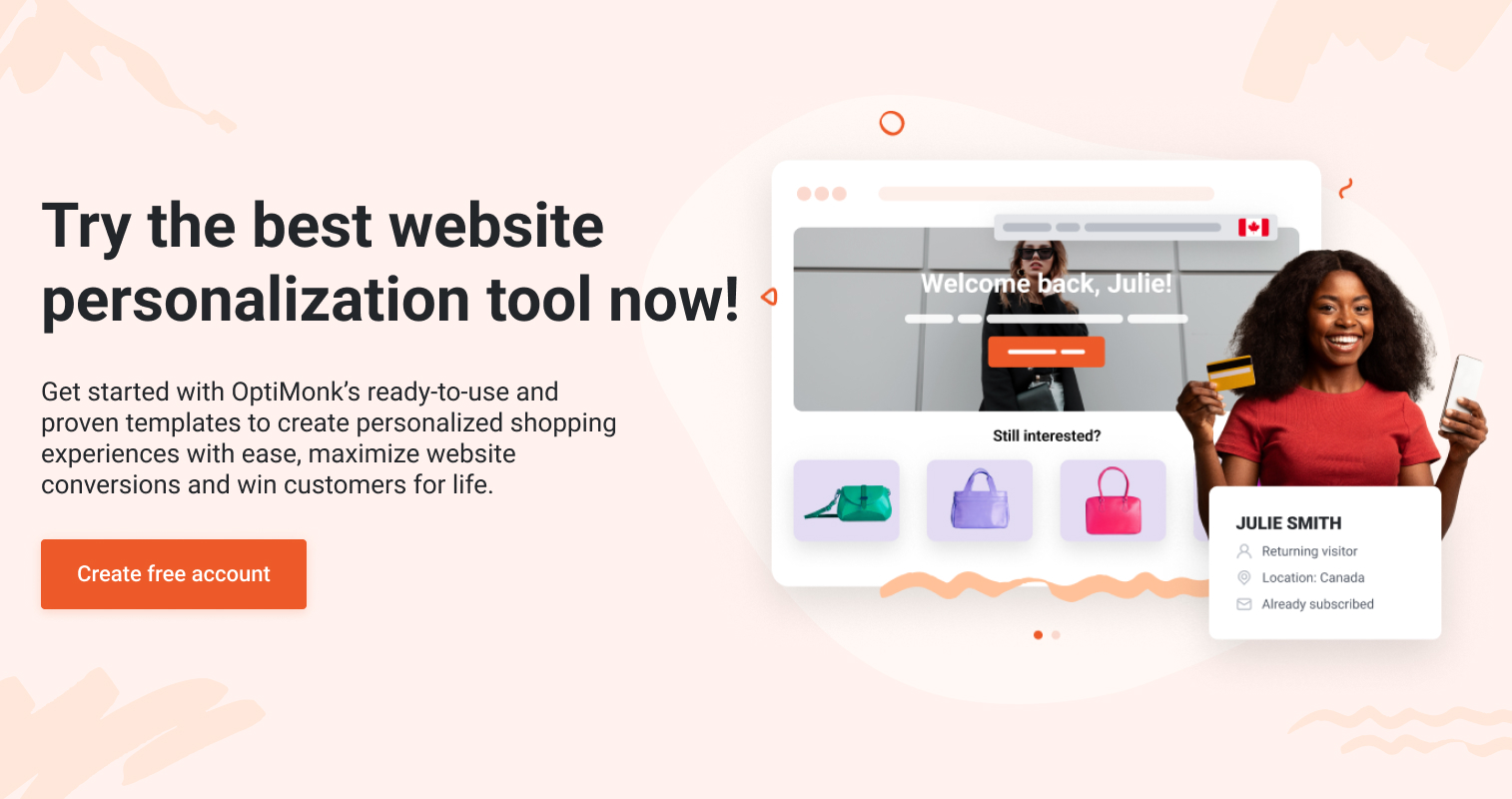
Customizing website experiences based on user behavior
Why Personalization Matters More Than Ever
Modern consumers are overwhelmed with ads, emails, and social media content. Personalization helps your brand cut through the noise by delivering value rather than interruptions.
Key benefits include:
Higher engagement rates – Personalized emails and ads consistently outperform generic campaigns
Improved conversion rates – Relevant offers are far more likely to convert
Stronger customer loyalty – Customers feel understood and appreciated
Better ROI – Marketing spend is more efficient when messages resonate
In short, personalization turns marketing from a broadcast into a conversation.
How Personalization Enhances Customer Engagement
Customer engagement goes beyond clicks and opens—it’s about meaningful interaction. Personalization enhances engagement by aligning your message with the customer’s intent and stage in the buying journey.
1. Relevance at Every Touchpoint
When users see content that reflects their interests, they’re more likely to interact with it. Personalized landing pages, emails, and ads create continuity across the customer journey.
2. Timely Communication
Behavior-based automation allows businesses to reach customers at the right moment—such as after abandoning a cart, visiting a service page, or downloading a resource.
3. Emotional Connection
Personalized messaging feels human. When customers feel recognized rather than targeted, trust grows—and trust drives engagement.
The Role of Data and AI in Personalization
Effective personalization is powered by data. Customer Relationship Management (CRM) systems, analytics tools, and AI-driven platforms make it possible to collect, segment, and act on data at scale.
AI takes personalization further by:
Predicting customer behavior and intent
Dynamically adjusting content and offers
Automating complex personalization workflows
Learning and improving over time
This allows even small and mid-sized businesses to deliver enterprise-level personalized experiences without massive teams.
Best Practices for Implementing Personalization
To maximize impact, personalization should be strategic—not invasive. Here are some proven best practices:
Start with clean, ethical data – Be transparent and respect privacy
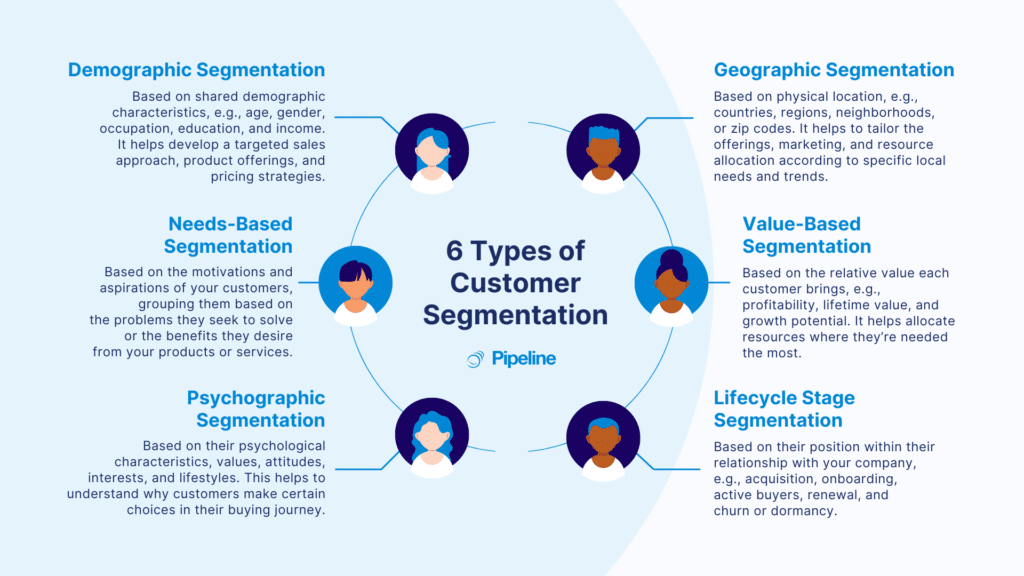
Segment before you personalize – Group users by meaningful criteria
Focus on value, not just sales – Helpful content builds long-term engagement
Test and optimize continuously – Personalization improves with iteration
Integrate across channels – Email, web, SMS, and ads should work together
Personalization as a Growth Strategy
Personalization is no longer optional—it’s a core growth strategy. Brands that invest in personalized digital experiences consistently outperform competitors in engagement, retention, and revenue. As customer expectations continue to rise, businesses that fail to personalize risk becoming invisible.
Final Thoughts
The power of personalization in digital marketing lies in its ability to make customers feel seen, heard, and valued. By leveraging data, automation, and AI responsibly, businesses can create meaningful experiences that drive engagement and long-term success.
If your goal is to stand out in a competitive digital world, personalization isn’t just an enhancement—it’s the foundation.